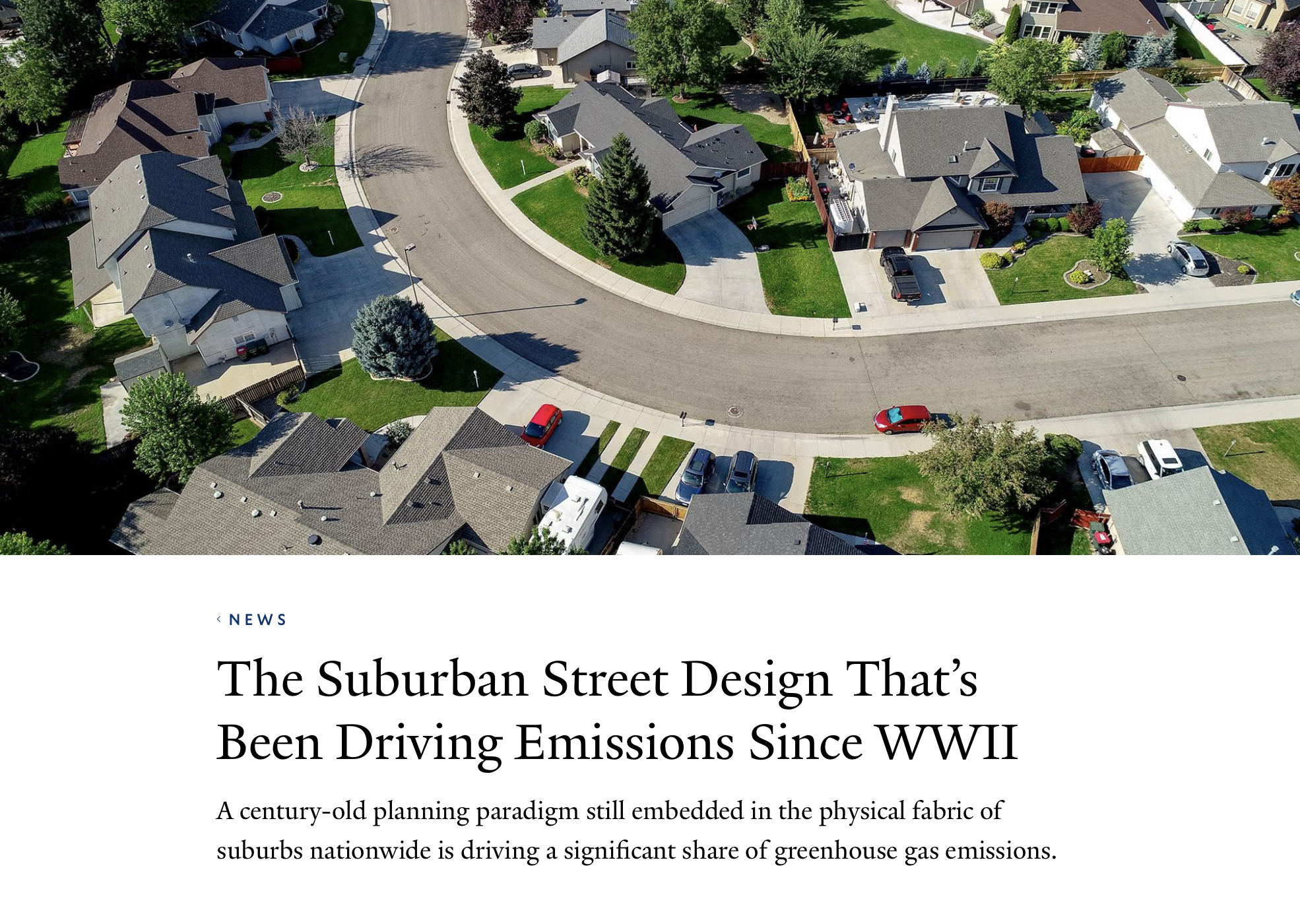
New YSE feature on our research showing how a century-old suburban planning paradigm continues to shape greenhouse gas emissions and social outcomes today.
July 22, 2026
Joined Jeffrey Lin and Greg Shill to discuss our analysis of how people used urban public spaces over 30 years.
July 22, 2026
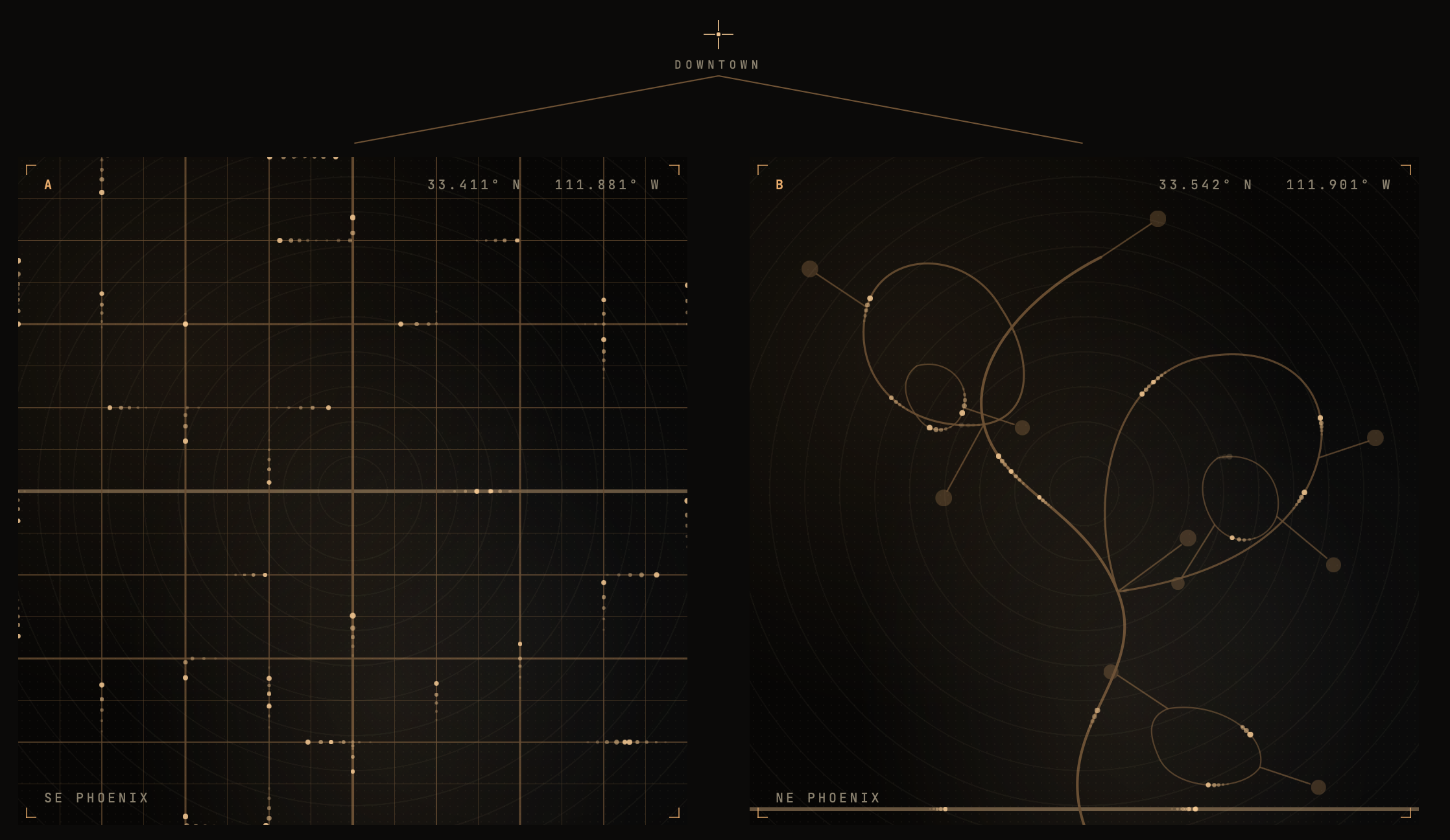
Our new paper shows that the design of suburban neighborhoods, not just where they’re located, plays an important role in driving emissions, social isolation, and sedentary lifestyles.
July 20, 2026
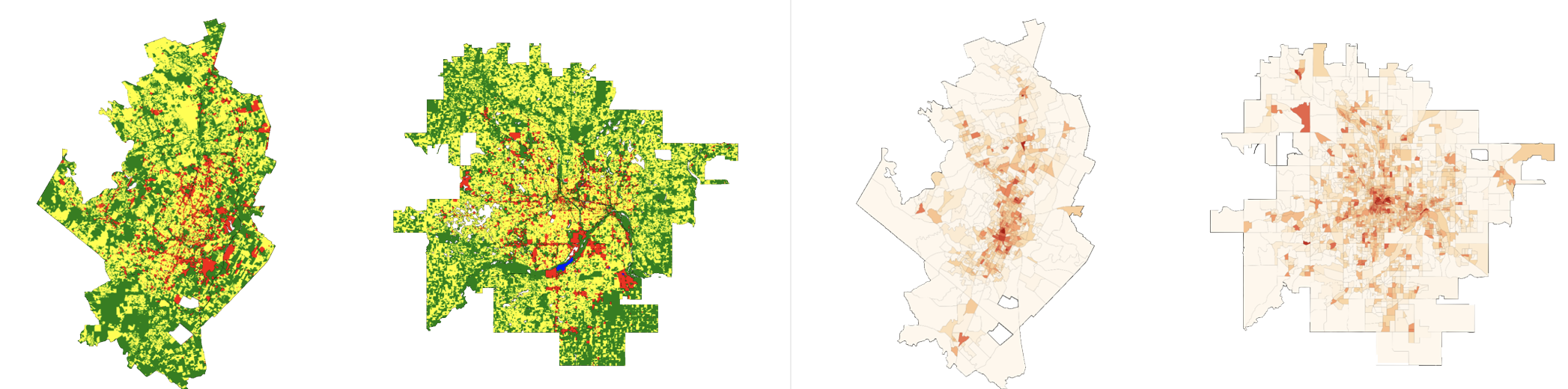
In a new paper in Cities, we use generative AI to test zoning reforms and quantify how land-use mix can reduce travel distances.
January 13, 2026
Nice piece by Carol Goodstein on Vital City featuring our work on Zoning.
October 10, 2025
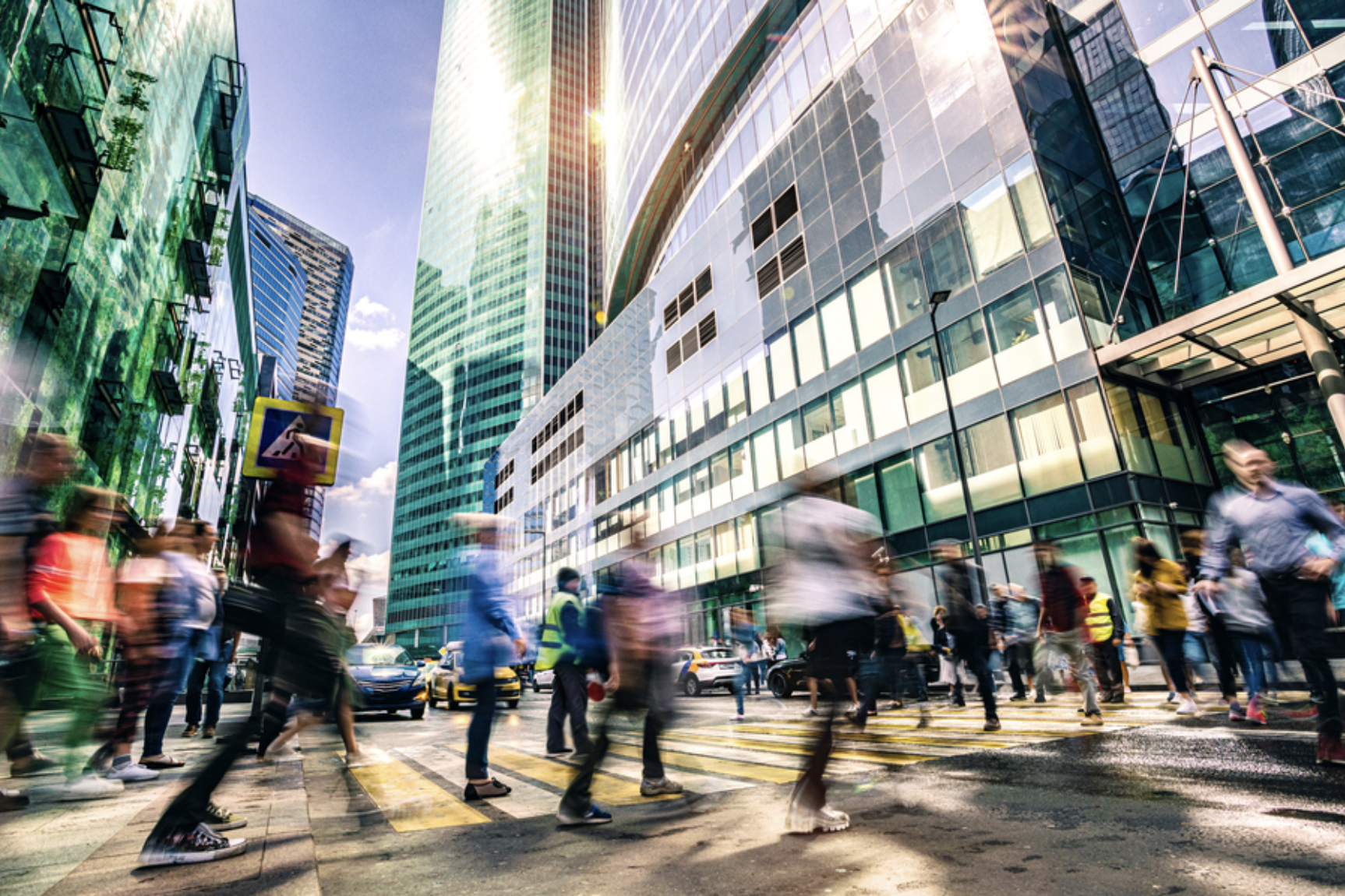
MIT News featured our most recent work using computer vision to study social Interactions in public spaces.
July 25, 2025
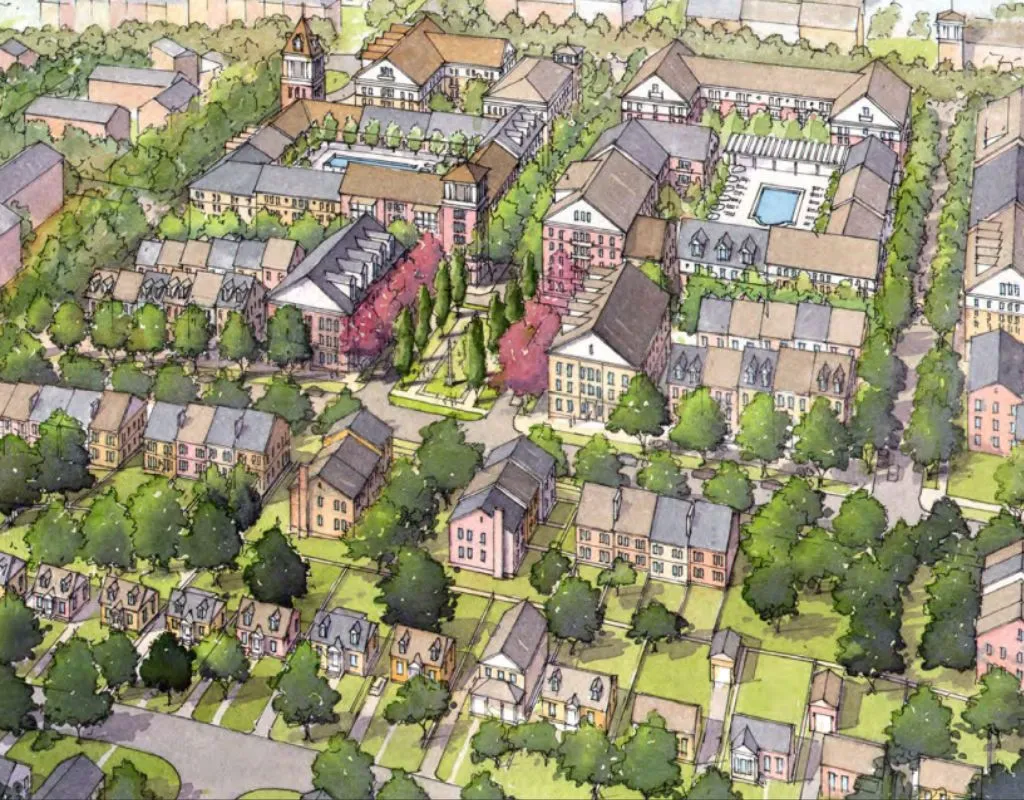
Our zoning research was featured in Streetsblog
July 18, 2025
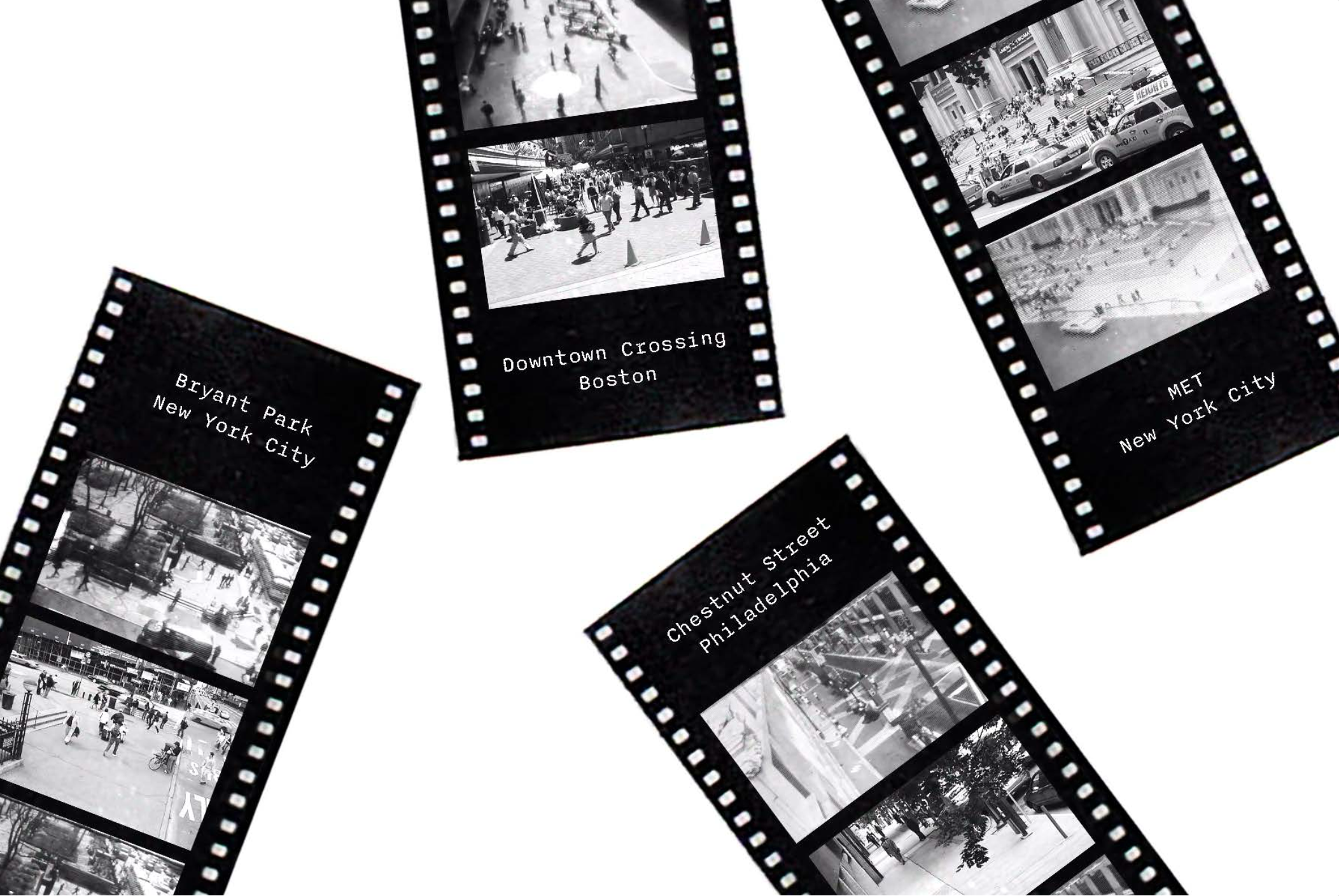
We exhibited our project "Eyes on the Street" at the 2025 Venice Biennale, themed "Intelligens. Natural. Artificial. Collective." Our work uses computer vision to analyze how street life has evolved by comparing William Whyte’s iconic 1980 Super 8 films with contemporary footage from three U.S. cities. We found that people now move faster through public spaces and engage less in group interactions. If public spaces no longer primarily serve as gathering places, what role should they play in contemporary urban life?
May 24, 2025
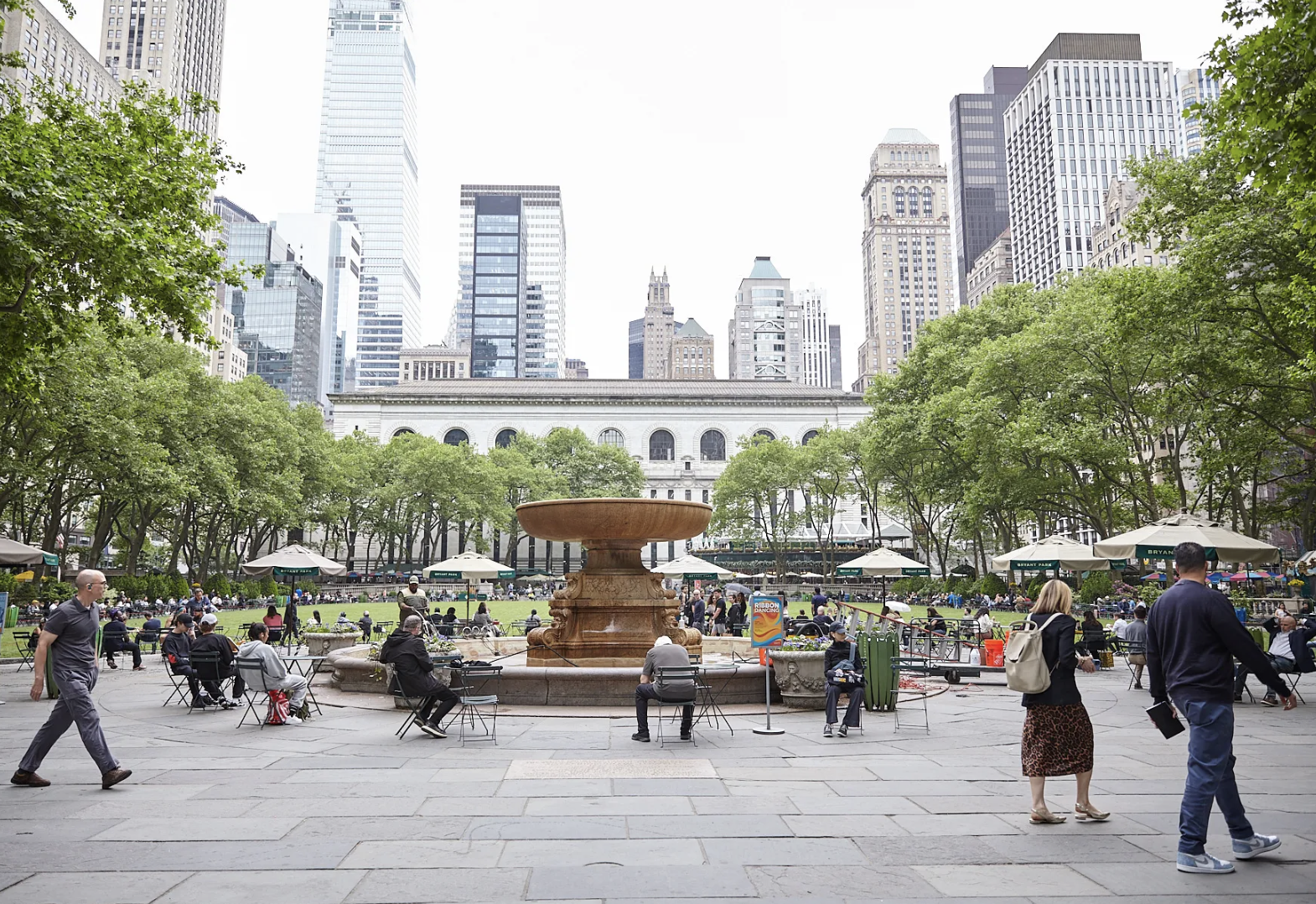
Our research was recently featured by Reimagining the Civic Commons! We discussed how street life in public spaces is changing. Check out the full article at the link below.
May 21, 2025
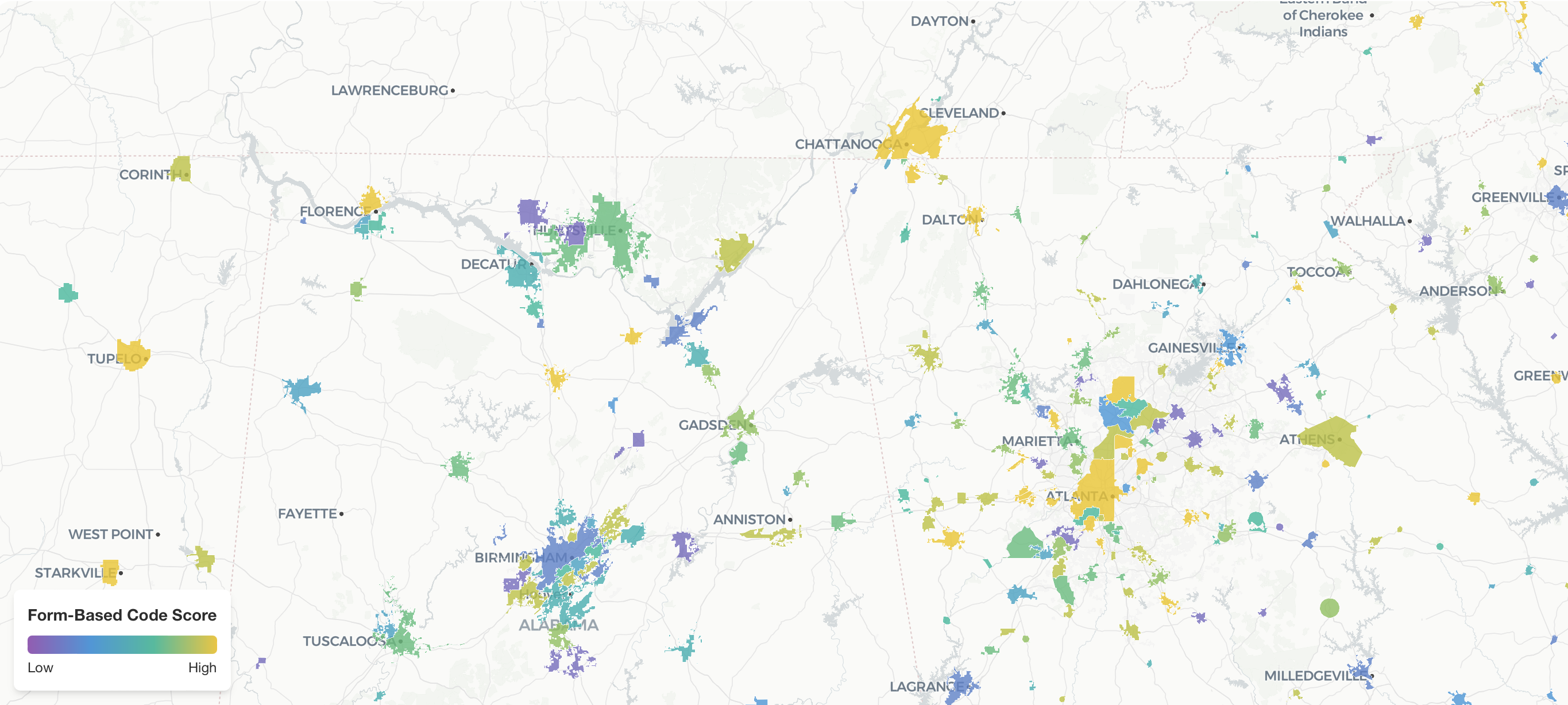
We used natural language processing (NLP) to analyze thousands of zoning documents and study the impact of zoning reform—specifically, form-based codes (FBCs)—on urban sustainability.
April 15, 2025
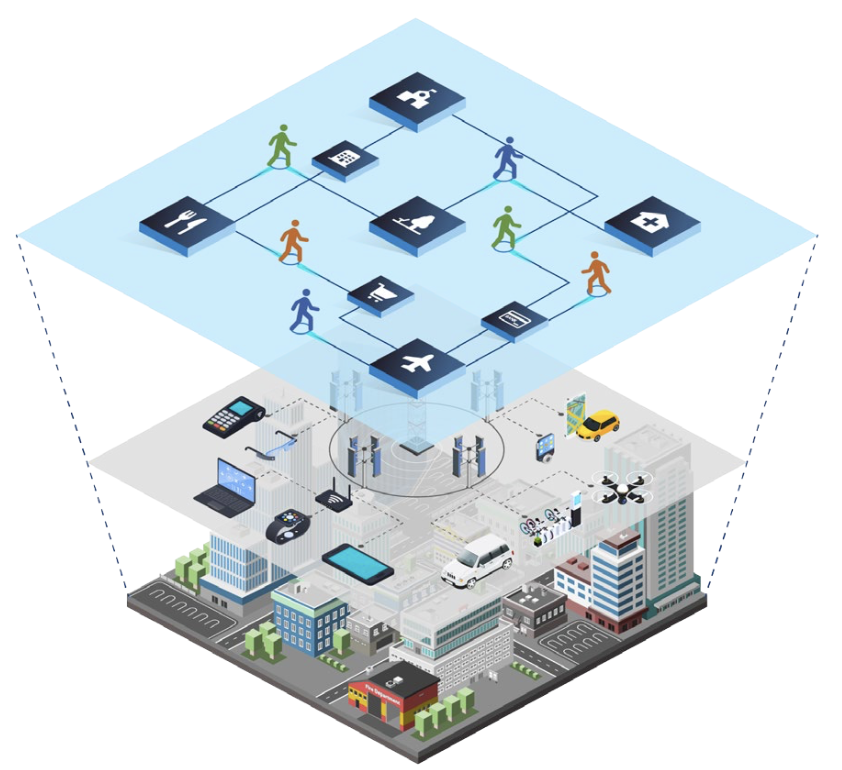
Check it out in Nature Human Behaviour! Inequality and segregation are shaped by differences in what we can access. Using mobility data, we can track how places and people change over time to measure experienced inequality—who people interact with, what services they can reach, and how they adapt to disruptions like pandemics or disasters.
February 17, 2025
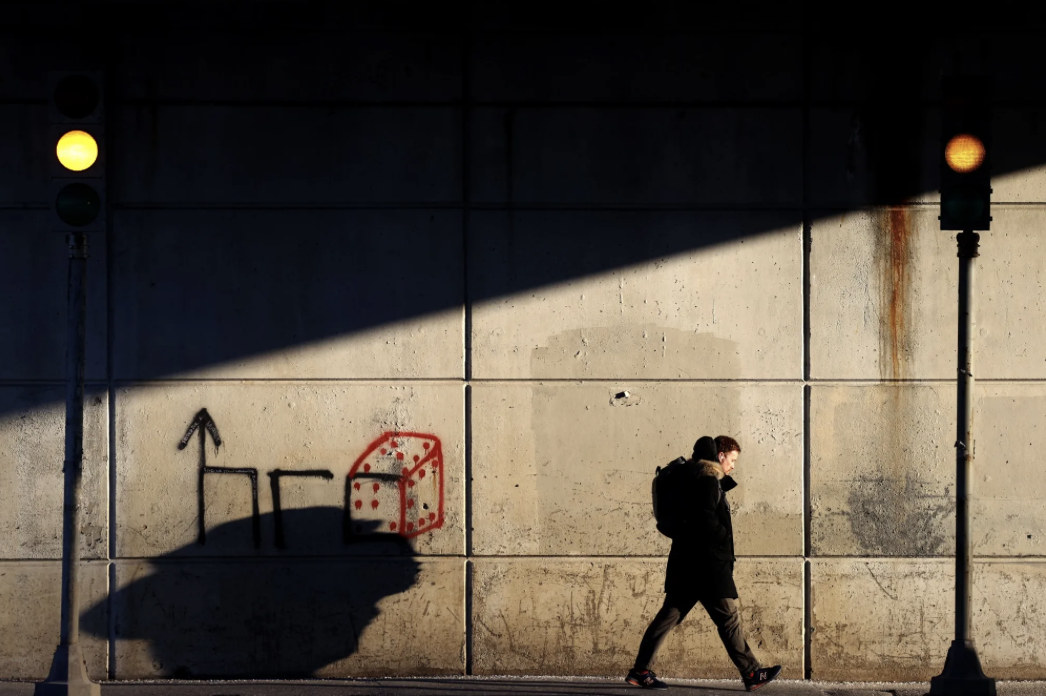
Excited to see David Zipper’s latest CityLab Bloomberg story featuring our work—go check it out!
January 23, 2025
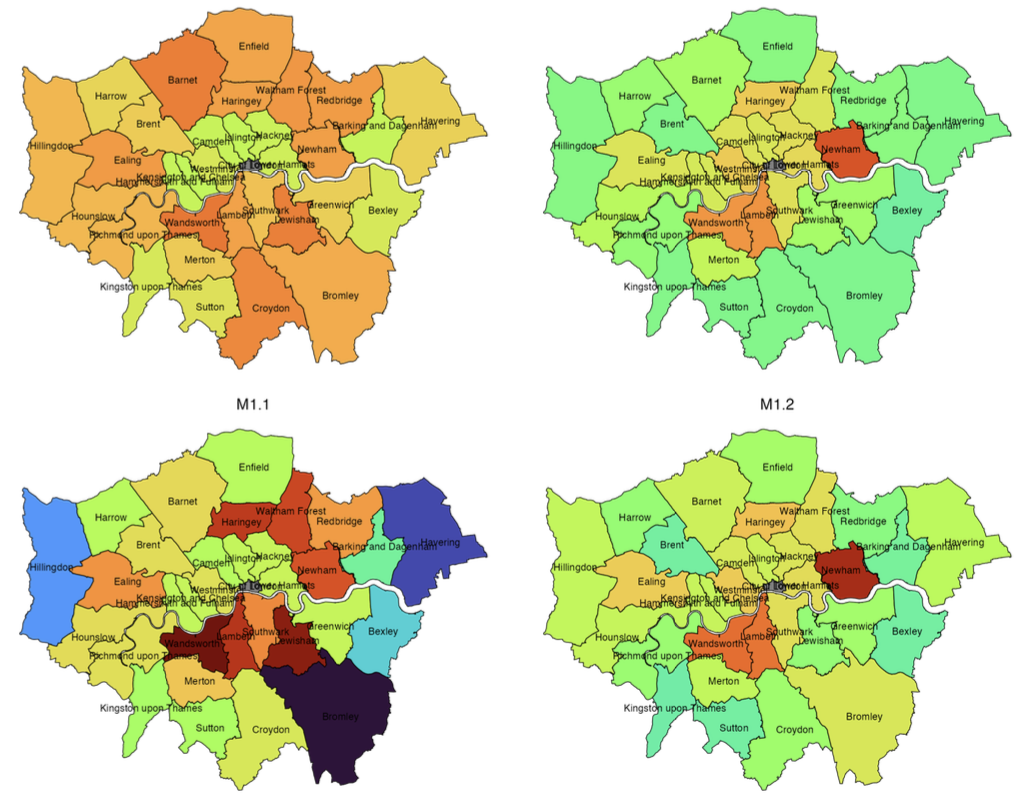
Congratulations to Felix on the successful submission of their senior thesis, “Grey to Green: A Novel Application of Computer Vision to Quantify On-Street Parking in London,” to the Department of Statistics & Data Science!
January 1, 2025

The marginal revolution picked up on our research. Read more on Bloomberg.
December 1, 2024
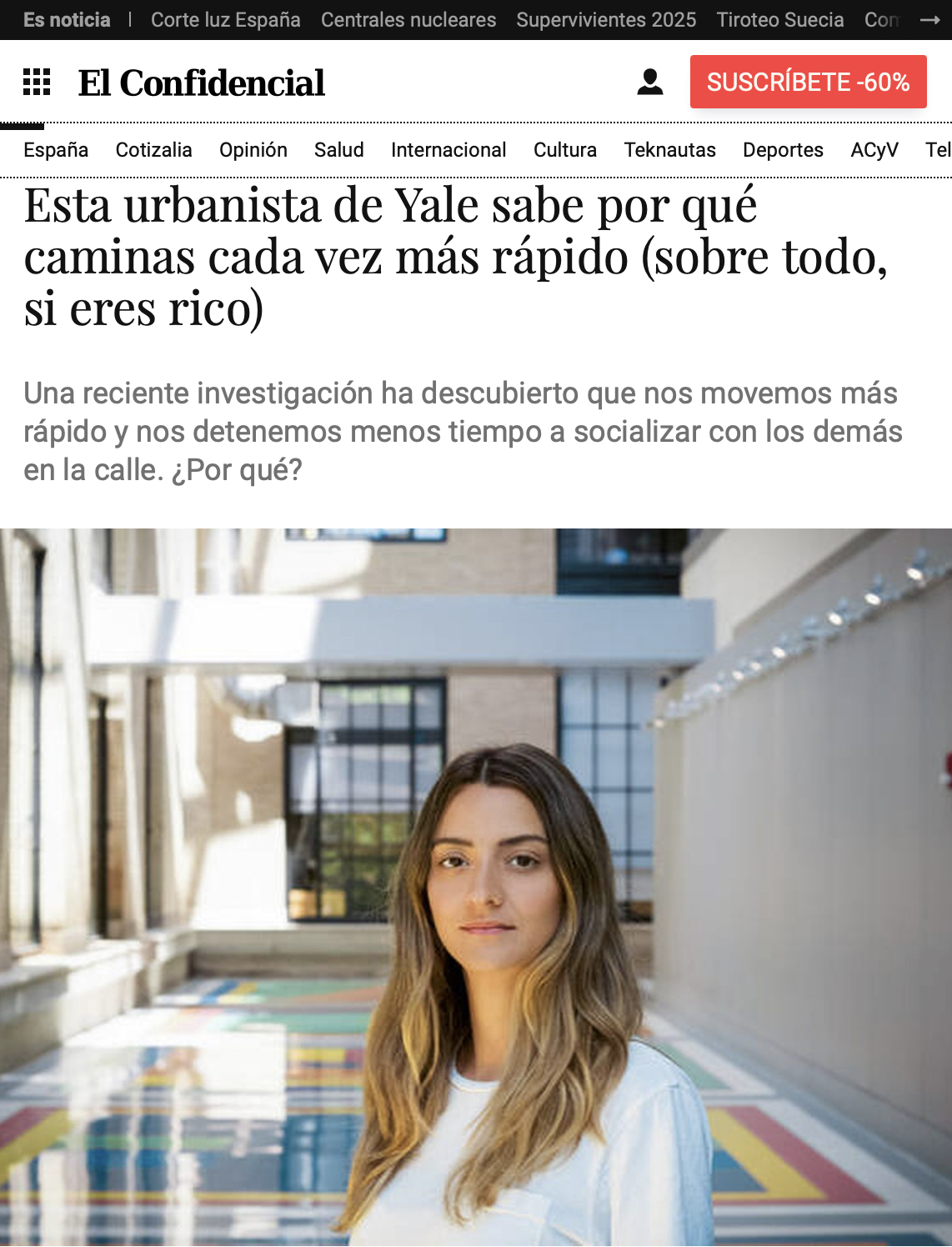
Analyzing changes in pedestrian behavior across urban public spaces in New York, Boston, and Philadelphia over a 30-year period. Key takeaway: City streets are increasingly becoming thoroughfares rather than places for social gathering
November 27, 2024
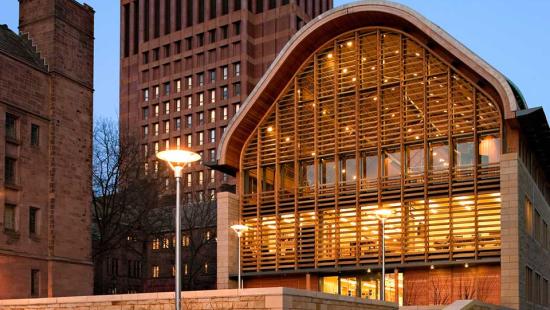
Using computational methods, including causal inference, spatial analysis, sensing, mapping, and related historical work, Salazar-Miranda studies how policies that shape the built environment affect social and environmental outcomes.
April 30, 2024
Can US cities embrace the 15-minute city model to reduce car usage and emissions? We wrote about it in this Bloomberg City Lab op-ed.
February 6, 2024